April 21, 2026
Heating systems work hardest during winter months when failures create emergencies requiring expensive, urgent repairs. Many homeowners neglect seasonal maintenance that prevents breakdowns, shortens equipment life, and increases energy consumption costs. Understanding what maintenance heating systems require helps you prevent problems through proactive care rather than reactive emergencies. The difference between systems that fail during cold snaps and those operating reliably throughout winter often depends on learning what seasonal tasks prevent problems, empowering you to maintain systems properly or recognize when professional help is needed. This knowledge helps you avoid the discomfort and expense that heating failures create during the coldest weather.
1. Scheduling Professional Pre-Season Inspections
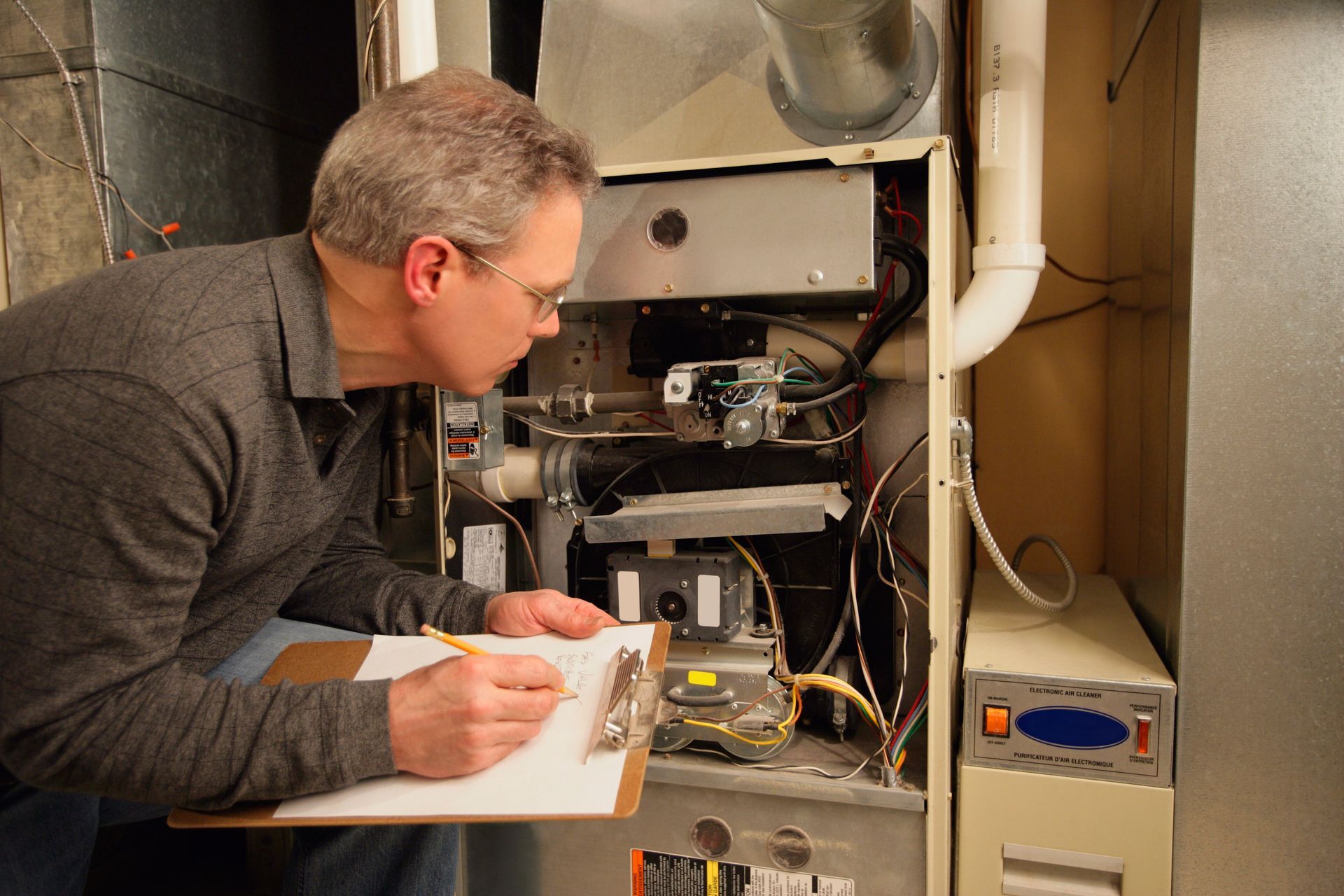
According to Energy Star, local heating repair service appointments increase by 25% during extreme cold weather months. Annual professional inspections before heating season identify problems while technicians have availability and before systems fail. These comprehensive evaluations include testing, cleaning, and adjustments, ensuring optimal performance when heating demands begin increasing. The problems that inspections reveal can be addressed during mild weather rather than becoming emergencies. Professional heating repair specialists conduct systematic inspections, checking all components that seasonal use will stress heavily. They test ignition systems, inspect heat exchangers for cracks, verify proper airflow, and measure combustion efficiency. These technicians clean burners, adjust gas pressures, and lubricate moving parts, preventing premature wear and failures. The comprehensive service that annual inspections provide catches developing problems before they cause system failures.
2. Replacing Filters Monthly During Heating Season
Dirty filters restrict airflow, forcing systems to work harder while reducing efficiency and potentially causing overheating. This reduced airflow affects comfort, increases energy costs, and stresses components, leading to premature failures. The simple filter replacement that homeowners can perform monthly represents the most important DIY maintenance task. Regular heating repair professionals emphasize filter replacement as essential preventive maintenance, preventing the problems that neglect creates. Monthly replacement during heating season ensures adequate airflow, protecting equipment while maintaining efficiency and indoor air quality. High-efficiency filters require more frequent changes than standard filters due to their denser construction restricting airflow. Homeowners should mark calendars or set reminders, ensuring this critical maintenance doesn't get forgotten during busy schedules. This simple task prevents expensive problems that dirty filters create through the restricted airflow, stressing systems.
3. Clearing Vents and Registers Throughout Your Home
Blocked supply and return vents create airflow imbalances affecting system performance and potentially causing equipment damage. Furniture, curtains, and stored items commonly obstruct vents without homeowners realizing the problems this creates. The blocked airflow forces systems to work harder while creating uneven heating and increased energy consumption. Experienced repair technicians recommend keeping all vents clear and fully open for balanced system operation. Homeowners should inspect all registers, ensuring nothing blocks airflow that proper system function requires throughout homes. Even partially blocked vents create problems affecting comfort and efficiency that full clearance would eliminate. Return vents prove particularly critical as blockages starve systems of air needed for proper combustion. This simple maintenance prevents problems and ensures even heating throughout homes during cold weather periods.
4. Testing Thermostats for Accurate Temperature Control
Malfunctioning thermostats cause comfort problems and wasted energy through inaccurate temperature sensing or control failures. These issues create situations where systems run constantly or fail to maintain desired temperatures properly. The simple thermostat testing that homeowners can perform identifies problems before they cause major discomfort. Professional heating repair services include thermostat evaluation during maintenance visits, verifying accurate operation and proper calibration. Technicians check temperature accuracy using calibrated instruments, test heating cycle timing, and verify proper communication. They replace batteries in battery-powered models, clean contacts, and ensure proper mounting, affecting temperature sensing. Upgrading to programmable or smart thermostats improves efficiency through automated temperature setbacks during unoccupied periods. This thermostat attention ensures accurate temperature control, preventing the energy waste that malfunctioning controls create.
5. Inspecting and Cleaning Condensate Drains
High-efficiency furnaces produce condensation requiring drainage, preventing water damage and system shutdowns from clogs. These drain lines accumulate algae and debris that block flow, causing safety shutoffs to protect equipment. The clogged drains that develop over time create problems requiring clearing before systems can operate. Preventive heating repair maintenance includes drain inspection and cleaning, preventing the blockages that cause unexpected shutdowns. Technicians flush drain lines, verify proper slope, and ensure condensate pumps function correctly when required. They add tablets preventing algae growth and check for leaks, indicating drain problems requiring attention. Homeowners can pour vinegar through drains monthly, helping prevent the buildup that professional cleaning addresses. This drain maintenance prevents the water damage and system failures that clogged condensate lines create.
6. Sealing and Insulating Ductwork Preventing Heat Loss
Leaky ducts waste heated air into attics and crawlspaces rather than delivering it to living spaces. This energy waste increases heating costs while creating comfort problems from inadequate airflow in affected rooms. The duct sealing and insulation that reduces losses proves cost-effective through the energy savings produced. Comprehensive repair services include duct inspection, identifying leaks, and insulation deficiencies requiring correction for efficient operation. Professional duct sealing uses mastic or foil tape at connections where leaks commonly develop over time. Insulation wrapping around ducts in unconditioned spaces prevents the heat loss that bare ducts allow. These improvements reduce energy consumption while improving comfort through the increased airflow reaching intended destinations. This duct attention provides returns through lower energy bills and better heating performance throughout homes.
7. Checking Carbon Monoxide Detectors and Safety Devices
Fuel-burning heating systems produce carbon monoxide, requiring detectors to protect families from this deadly, odorless gas. These safety devices require testing and battery replacement, ensuring proper function throughout the heating season when risks peak. The detector failures that develop unnoticed create dangerous situations that testing would prevent through timely replacement. Safety-focused heating repair professionals emphasize detector importance, testing them during service visits, and recommending replacement schedules. Homeowners should test detectors monthly using built-in test buttons, verifying that audible alarms sound properly. Battery replacement should occur annually, with many people choosing to do this when changing clocks. Detectors older than seven years require replacement as sensors degrade, compromising protection reliability over time. This safety maintenance provides essential protection from the carbon monoxide that heating system malfunctions could produce.
8. Lubricating Motors and Moving Parts
Blower motors and other moving components require lubrication, preventing friction that causes overheating and premature failures. This maintenance task extends component life while reducing energy consumption from the friction that lubrication eliminates. The lubrication that systems need varies by model, with some requiring annual service while others remain sealed. Professional heating repair technicians lubricate motors during annual maintenance visits using proper lubricants in correct amounts. They identify which components require lubrication based on manufacturer specifications rather than assuming all systems need service. Over-lubrication proves as problematic as under-lubrication, making proper amounts critical for optimal bearing protection. Modern sealed bearings require no lubrication, though older systems still benefit from this traditional maintenance. This lubrication prevents the premature motor failures that friction creates when maintenance is neglected.
Understanding these seasonal maintenance tasks helps homeowners prevent problems through proactive care rather than emergency repairs. The investment in regular professional maintenance proves far less expensive than emergency service calls and repairs. Making informed decisions about heating system care ensures reliable comfort throughout the winter months when failures occur. Whether you need air conditioning installation, air conditioning maintenance, air conditioning repair, heating system installation, heating system maintenance, heating system repair, air conditioning services, heating services, or commercial refrigeration, SRC Heating and Cooling Services provides a 2-year labor warranty with all installations, will beat written estimates, and offers same-day service. For more information, contact us today!